Jesus' Blood Never Failed Me Yet
En 1971, le compositeur anglais Gavin Bryars travaillait avec un ami cinéaste sur un documentaire consacré aux personnes vivant à la rue à Londres, dans le quartier d'Elephant and Castle. Parmi les heures de rushes inutilisées se trouvait un enregistrement : un sans-abri, jamais identifié, chantant a cappella un chant religieux, Jesus' Blood Never Failed Me Yet.
En réécoutant la bande, Bryars remarque que la voix de l'homme est naturellement accordée à son piano, et que les treize premières mesures du chant forment une boucle. Touché par la sincérité et la force émotionnelle de cette voix, il construit autour d'elle une orchestration progressive : couche après couche d'instruments venant s'ajouter au chant en boucle, dans un crescendo lent et retenu. La composition deviendra l'une des œuvres les plus marquantes de la musique minimaliste anglaise. L'homme qui chante, lui, n'a jamais été retrouvé et n'a jamais entendu ce que sa voix est devenue.
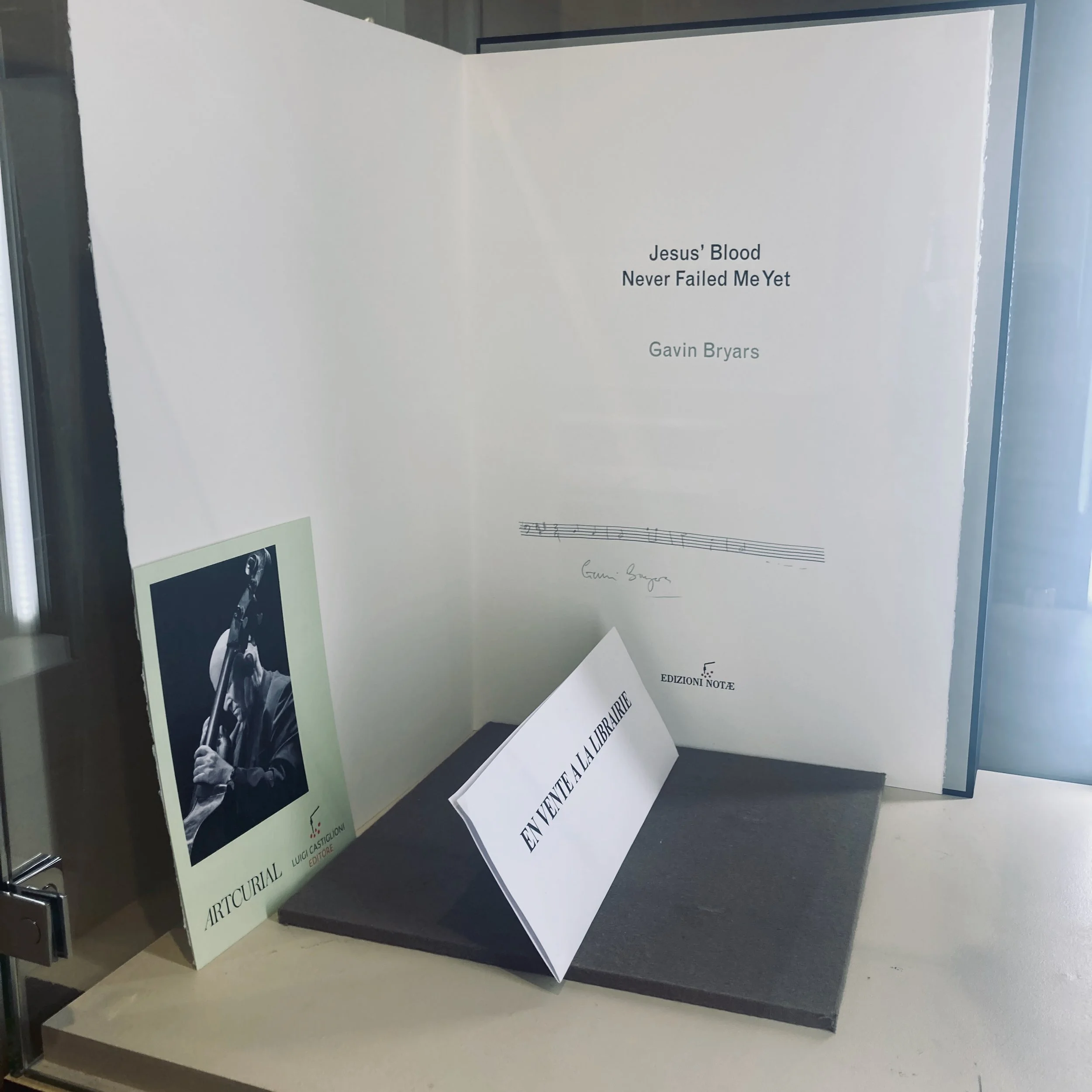
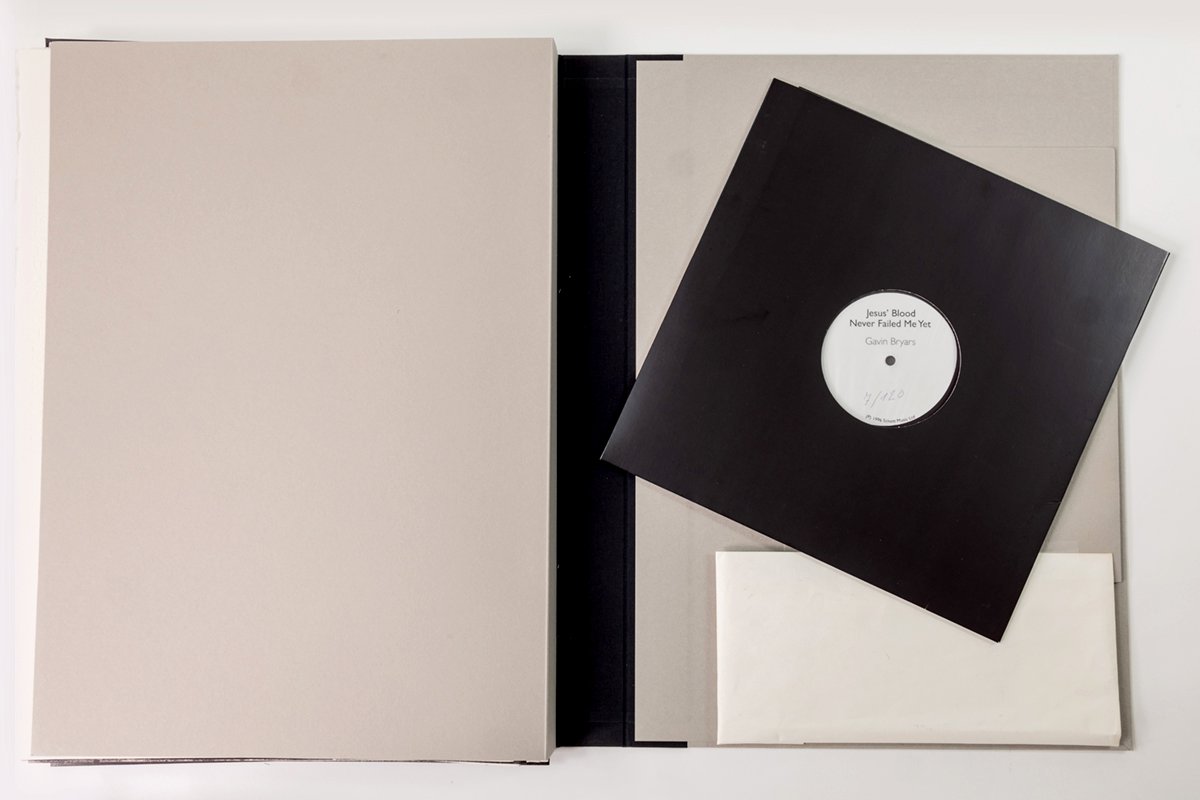
Début 2022, Luigi Castiglioni, relieur d'art, m'a contacté pour discuter d'un projet éditorial centré autour d'un objet très particulier : la partition musicale. À travers sa maison d'édition, Luigi Castiglioni Editore, Luigi souhaite transformer l'utilisation de ce texte musical, habituellement un matériau de travail et d'étude servant de support à la performance musicale, en une œuvre artistique et un objet de collection destiné aux bibliophiles. Jesus' Blood Never Failed Me Yet est la première partition publiée par sa maison d'édition, en 120 exemplaires numérotés.
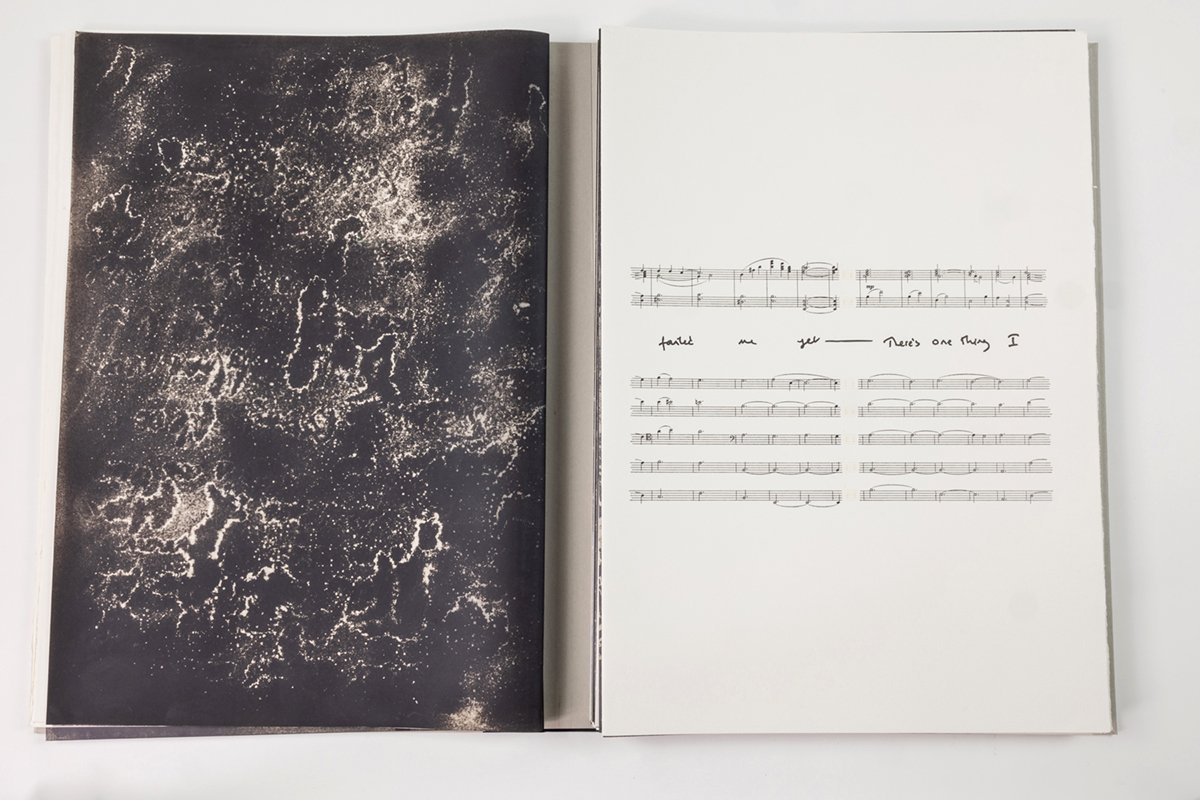
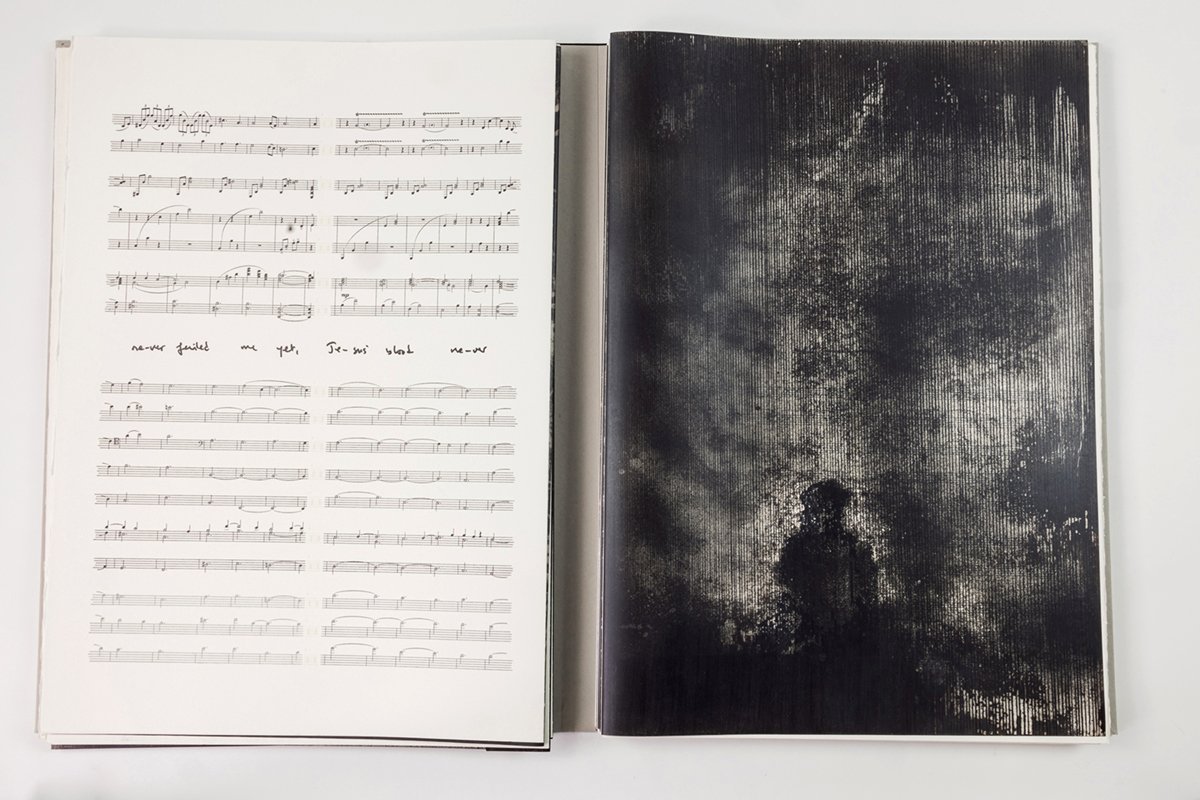
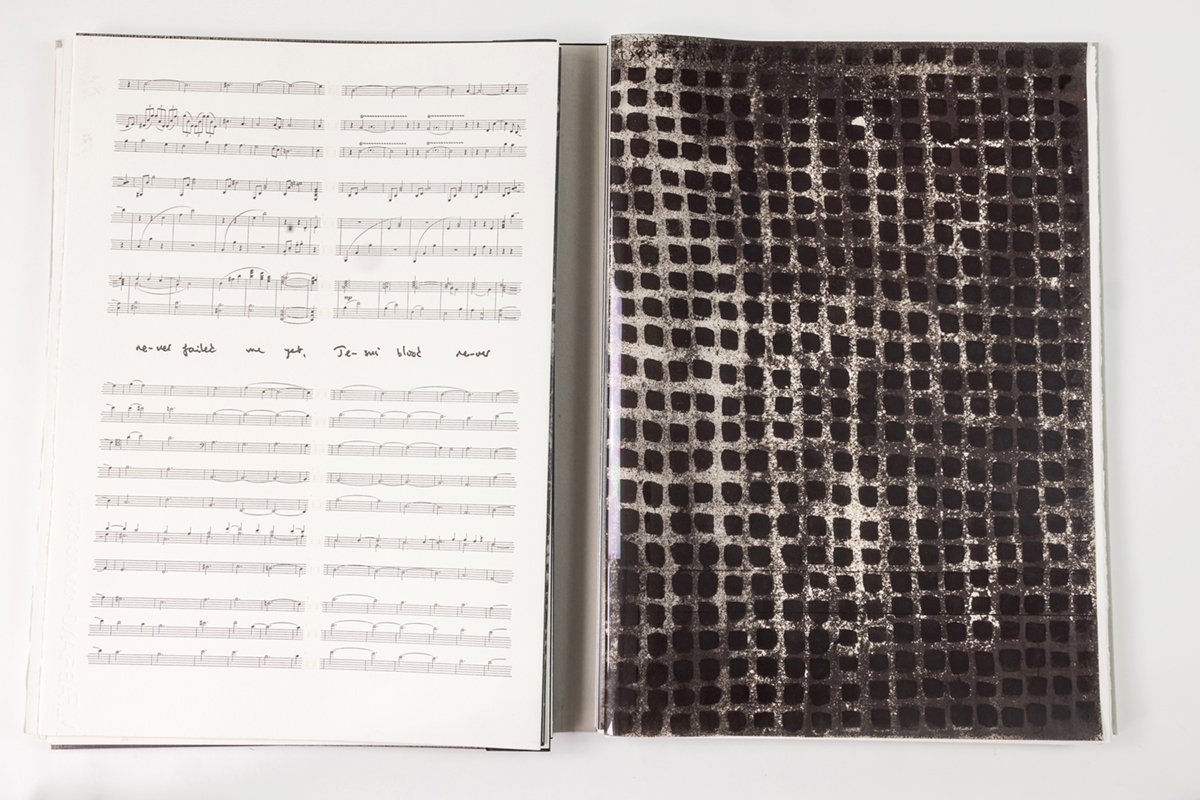
L'apparence de la partition conçue par Luigi reflète visuellement la progression de l'œuvre : portées et instruments apparaissent lentement le long des pages avant de s'estomper, à l'image de la construction de Bryars.
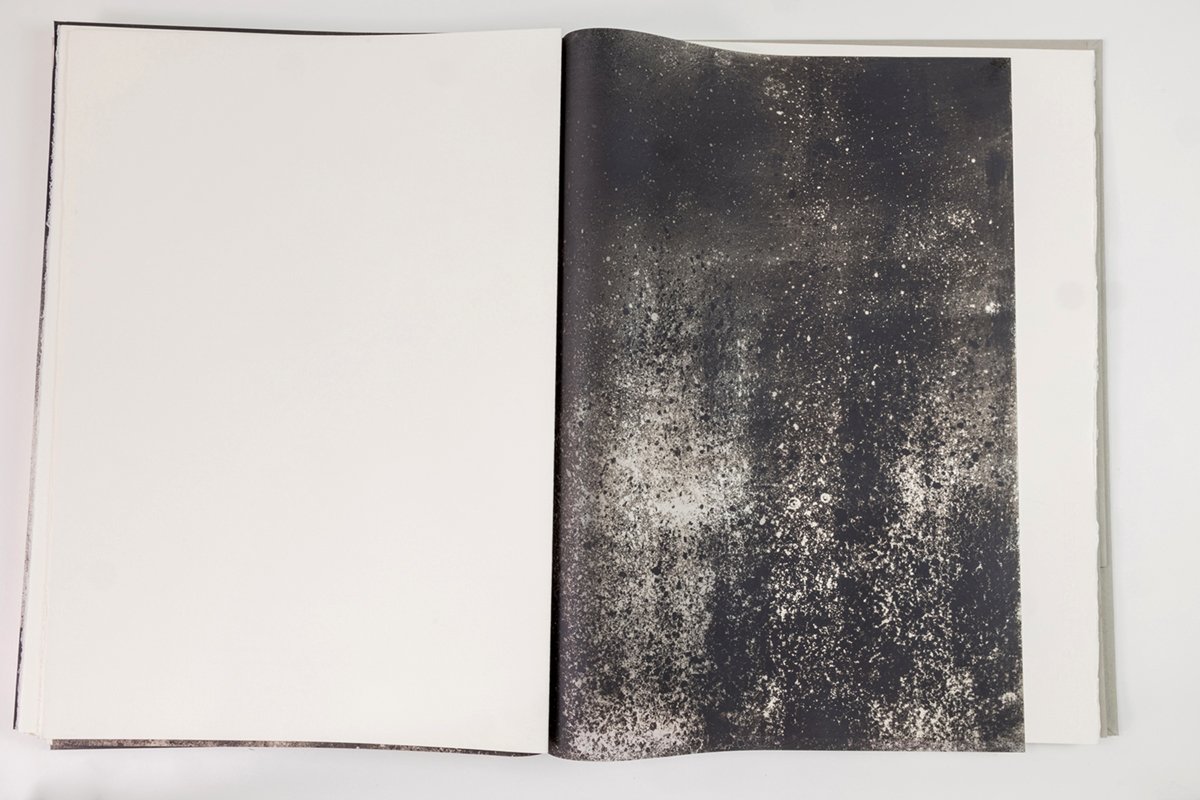
Ma tâche consistait à illustrer l'un des 120 exemplaires de ce livre-partition, l'exemplaire numéro 7. Il ne s'agissait pas d'impression ou de reproduction d'illustrations, mais de dessins originaux réalisés directement sur les pages du livre, par la suite reliés par Luigi.
J'ai commencé à travailler sur les illustrations à la fin de l'été 2022. Les mois précédents avaient été consacrés à la lecture d'entretiens de Gavin Bryars, notamment avec Jean-Louis Tallon, à la recherche d'inspirations pour le dessin et, bien sûr, à l'écoute de sa musique. J'ai écouté la pièce une centaine de fois, captivé comme tant d'autres par cette voix humble et chaleureuse.
ENG
In 1971, English composer Gavin Bryars was working with a filmmaker friend on a documentary about people living rough in London, in the Elephant and Castle area. Among the hours of unused footage was a recording: a homeless man, never identified, singing a cappella a religious song, Jesus' Blood Never Failed Me Yet.
Listening back to the tape, Bryars noticed that the man's voice was naturally in tune with his piano, and that the first thirteen bars of the song formed a loop. Moved by the sincerity and emotional power of this voice, he built a progressive orchestration around it: layer after layer of instruments joining the looped singing, in a slow, restrained crescendo. The piece would become one of the most significant works of English minimalist music. The man singing, for his part, was never identified and never heard what his voice became.
In early 2022, Luigi Castiglioni, art bookbinder, contacted me to discuss an editorial project centered around a very particular object: the musical score. Through his publishing house, Luigi Castiglioni Editore, Luigi aims to transform the use of this musical text, usually a material for work and study serving as a support for musical performance, into an art and collector's item intended for bibliophiles. Jesus' Blood Never Failed Me Yet is the first score published by his publishing house, in 120 numbered copies.
The appearance of the score designed by Luigi visually reflects this progression: staves and instruments appear slowly along the pages before fading away, mirroring Bryars' construction of the piece.
My task was to illustrate one of the 120 copies of this book-score, copy number 7. It involved not the printing or reproduction of illustrations, but original drawings made directly on the pages of the book, later bound by Luigi.
I began working on the illustrations in late summer 2022. The preceding months had been dedicated to reading interviews with Gavin Bryars, notably with Jean-Louis Tallon, to seeking inspiration for the drawings, and of course to listening to his music. I listened to the piece a hundred times, captivated like so many others by that humble, warm voice
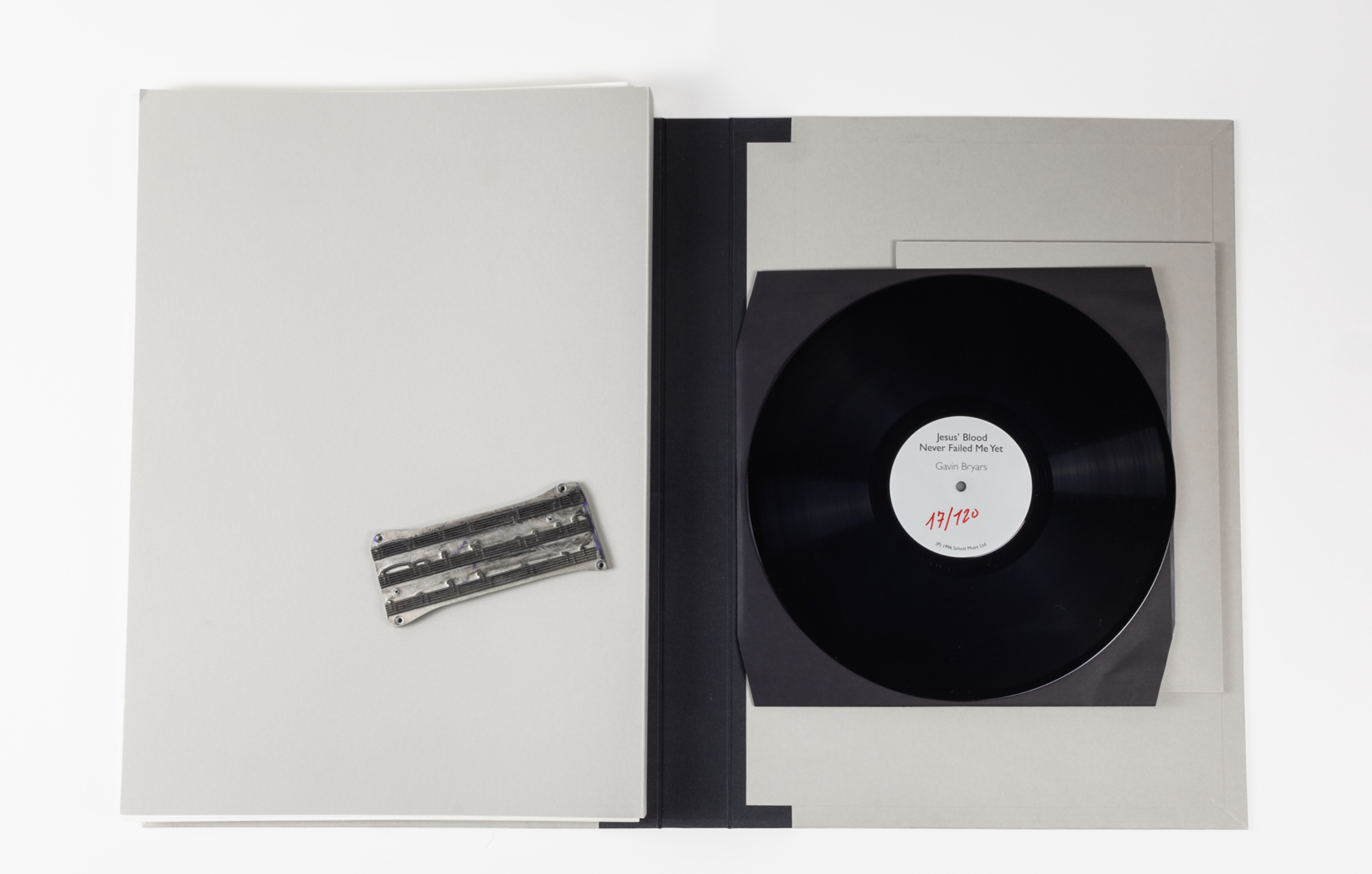

Le livre est composé de 17 livrets distincts, et le premier défi consistait à adapter ma technique habituelle de grattage sur feuilles transparentes. Luigi Castiglioni avait initialement imaginé que ma technique pourrait être utilisée directement sur les pages du livre avant que je n’explique que cette méthode de dessin ne fonctionne que sur des supports lisses.
Après discussion, nous avons décidé d'utiliser mes dessins tels qu'ils étaient, et Luigi les intégrerait ensuite au livre.
Mon approche des illustrations était initialement très théorique ; je voulais créer des images qui correspondaient aux enjeux et à la nature d'un livre de musique contemporaine. J'ai rapidement été perdu dans une complexité artificielle avant de changer de direction et d'aborder ce travail de manière similaire au chant de cet homme inconnu. Sincérité et spontanéité. J'ai mis de côté la complexité technique habituelle de ma méthode de dessin pour me concentrer sur mes sentiments et sur des images reflétant ces émotions.
The book consists of 17 separate booklets, and the first challenge was adapting my usual scratching drawing technique on transparent sheets. Luigi Castiglioni had initially envisioned that my technique could be used directly on the pages of the book before I explained to him that this method of drawing only works on smooth surfaces.
After discussion, we decided to use my drawings as they were, and Luigi would bind them into the book.
My approach to the illustrations was initially very theoretical; I wanted to create images that matched the stakes and the nature of a contemporary music book. I quickly got lost in artificial complexity before changing direction and approaching this work in a way similar to the singing of this unknown man. Sincerity and spontaneity. I set aside the usual technical complexity of my drawing method to focus on my feelings and on images reflecting those emotions.
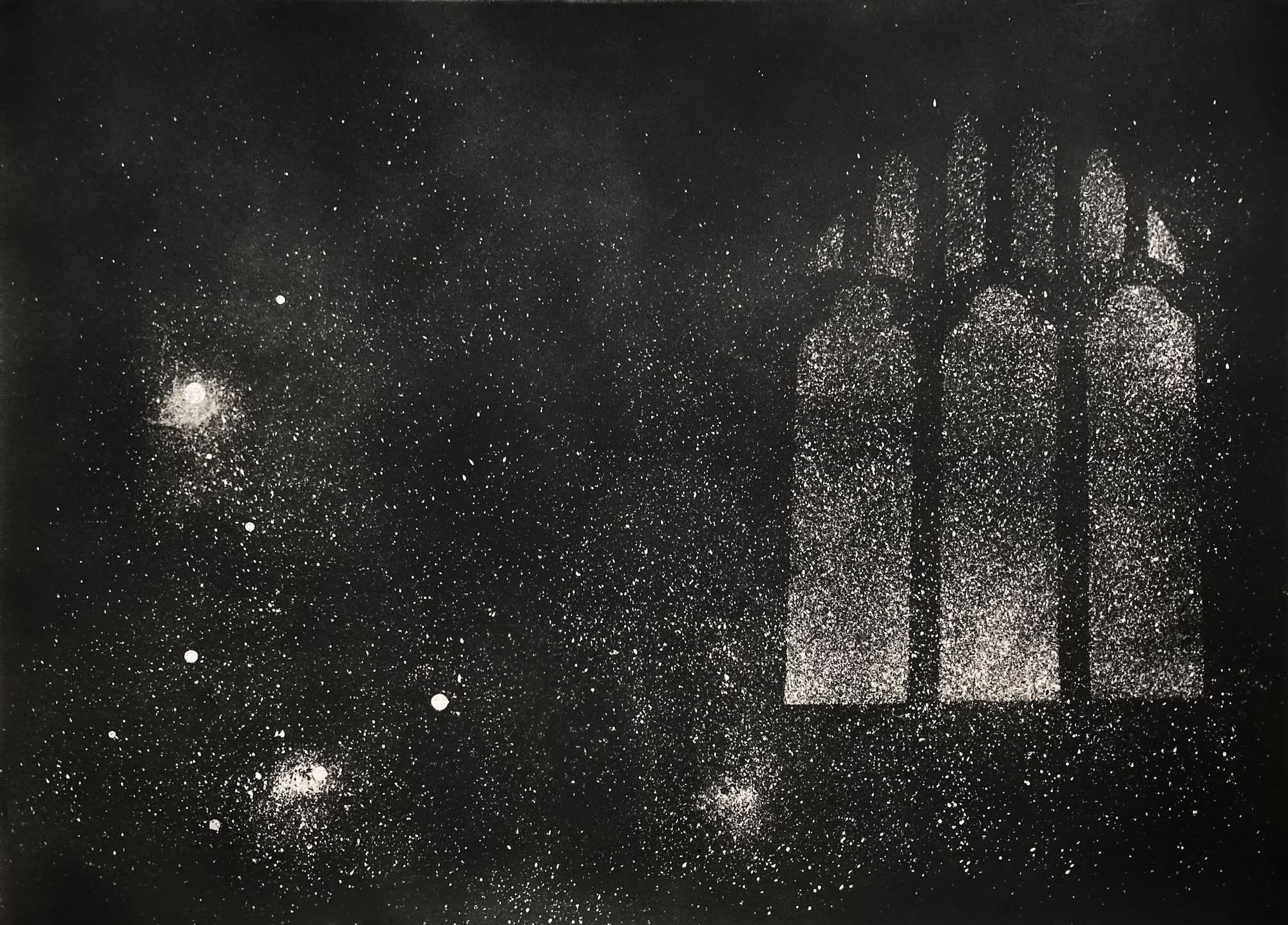
The stained glass window of Saint Mary's Church in Gavin Bryars' childhood neighborhood, Hook.

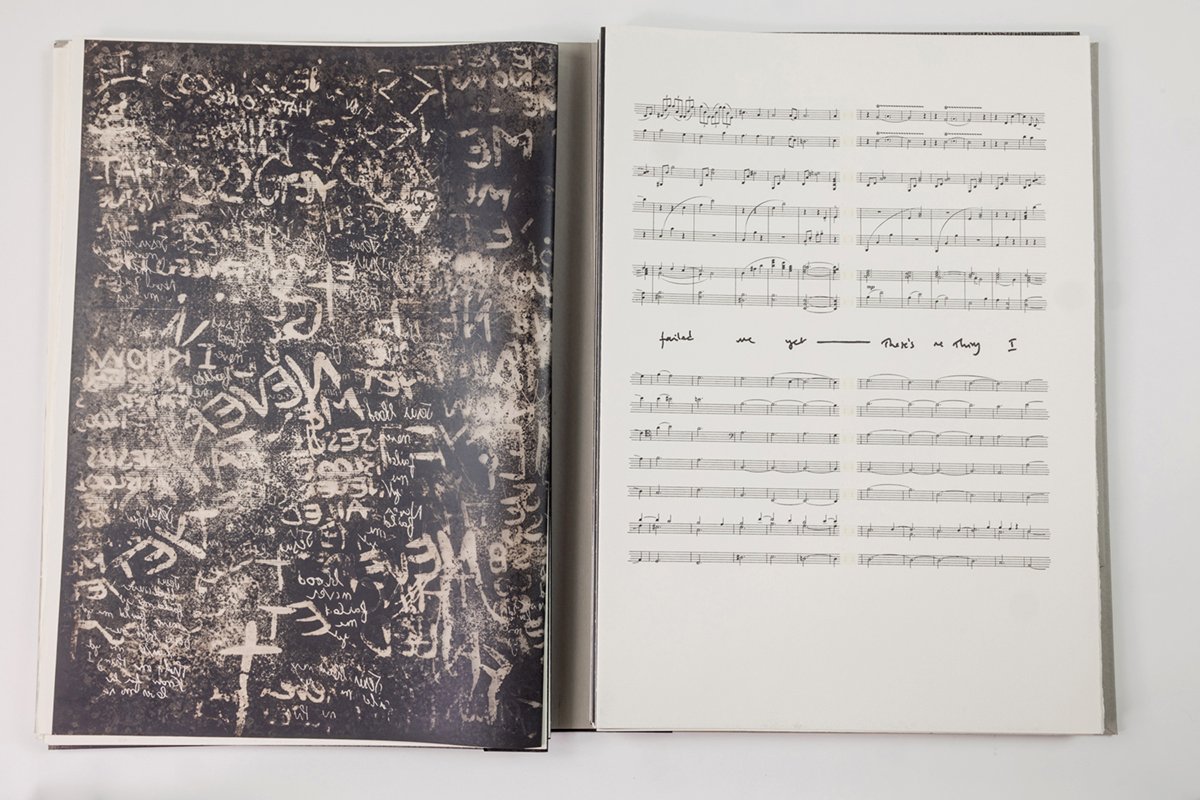
This drawing is similar to the others where the song lyrics are written; the difference is that I erased the characters using water droplets to evoke life stories gradually fading away, leaving abstract shapes carrying memories within them.

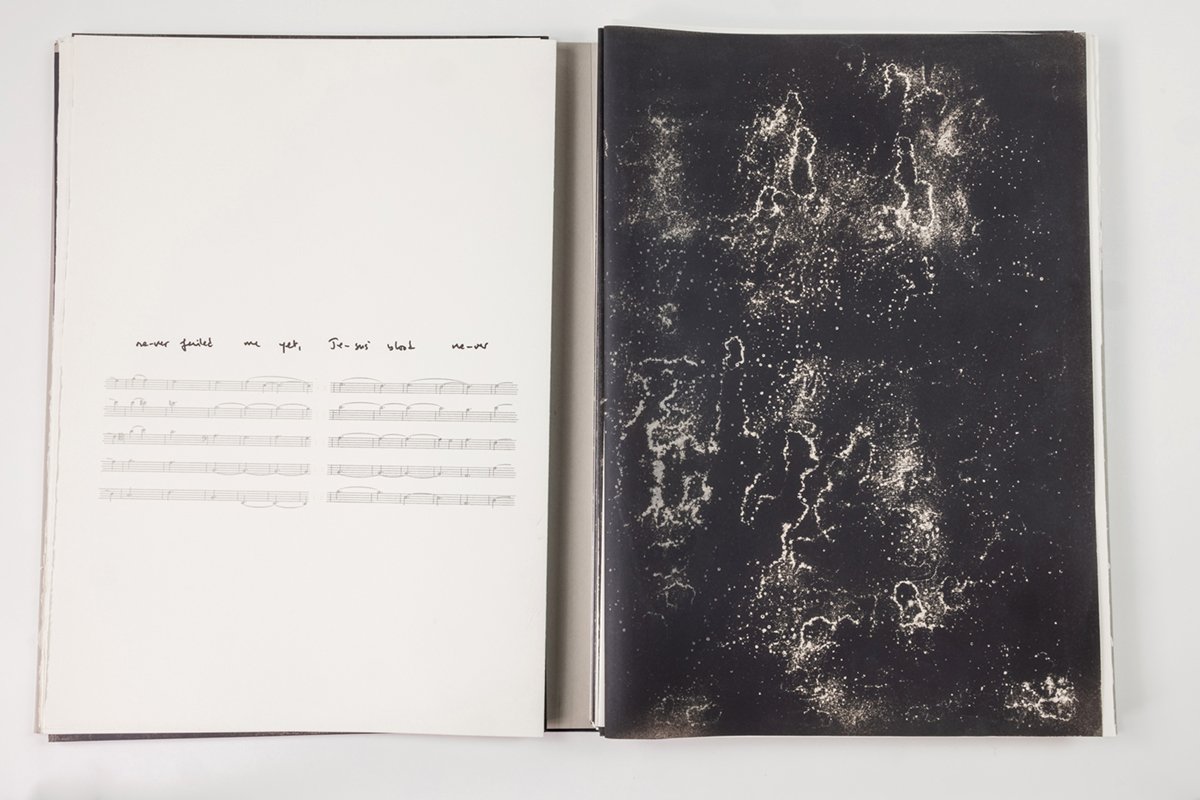
Pattern drawn inspired by the repetitive nature of the song

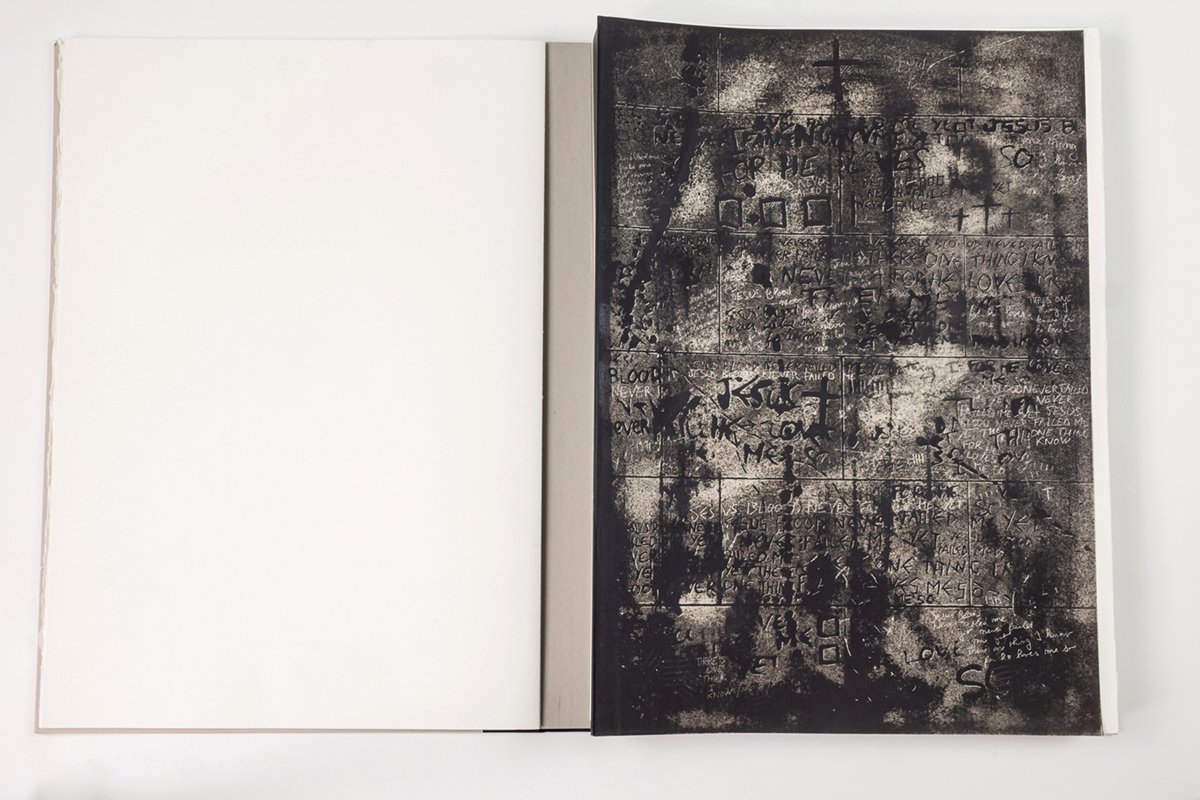
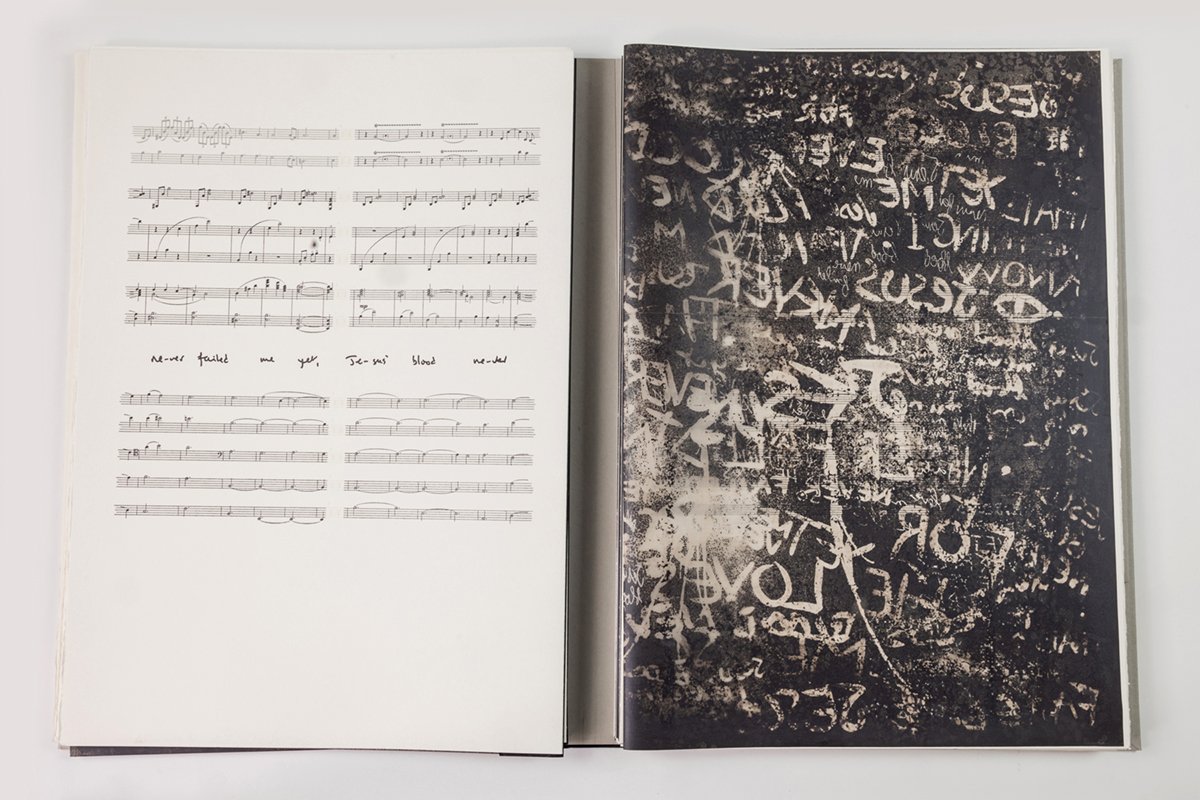
An evocation of a graffiti reflecting the fervor and repetition of a prayer, along with a reference to the sonic loop serving as the framework for the musical composition.

Drawing created using a printing technique, the paper is left outside in the rain to capture its imprint. The title is a reference to a composition by Steve Reich, musically associated with Gavin Bryars in their work on loops.
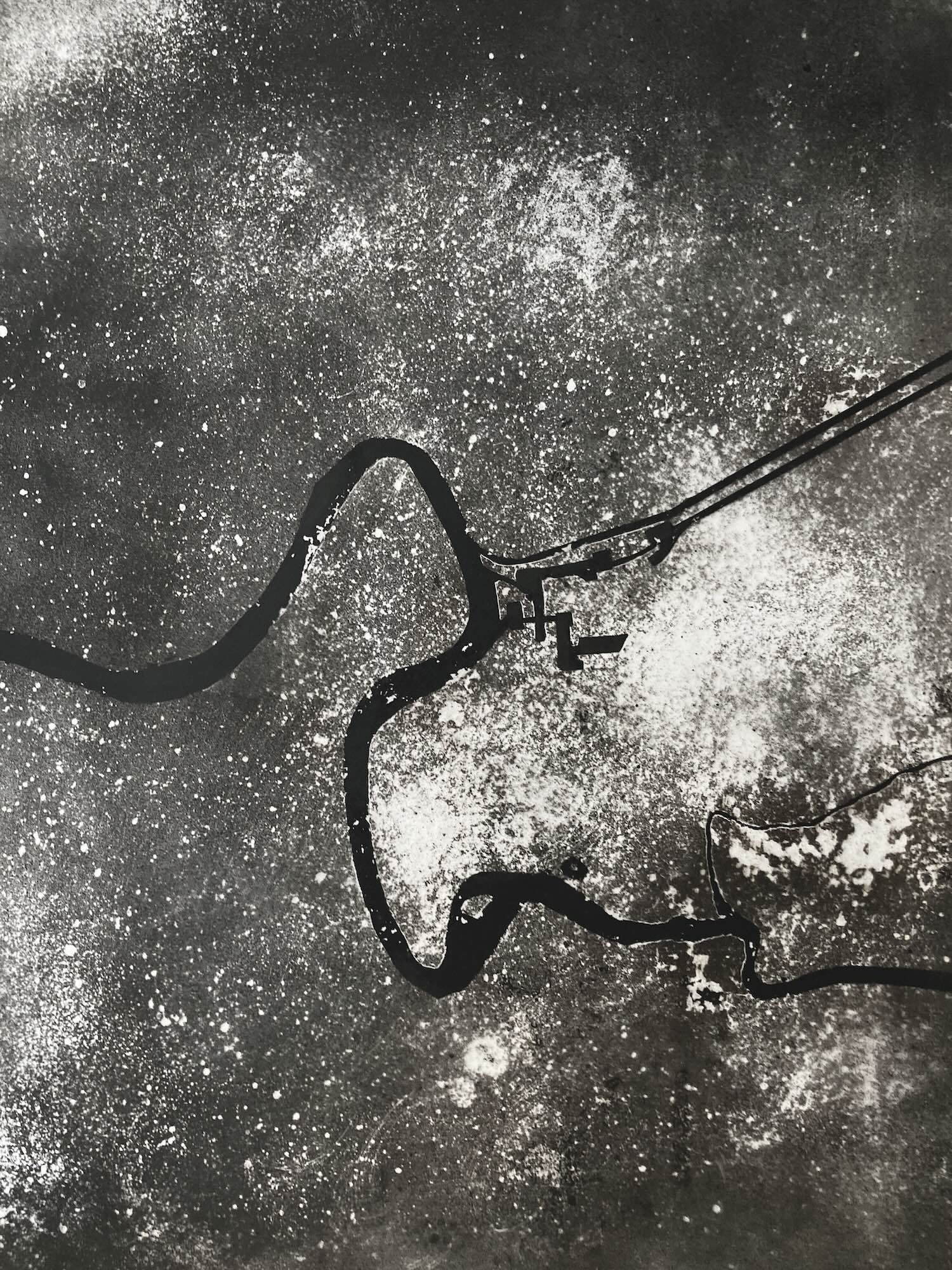
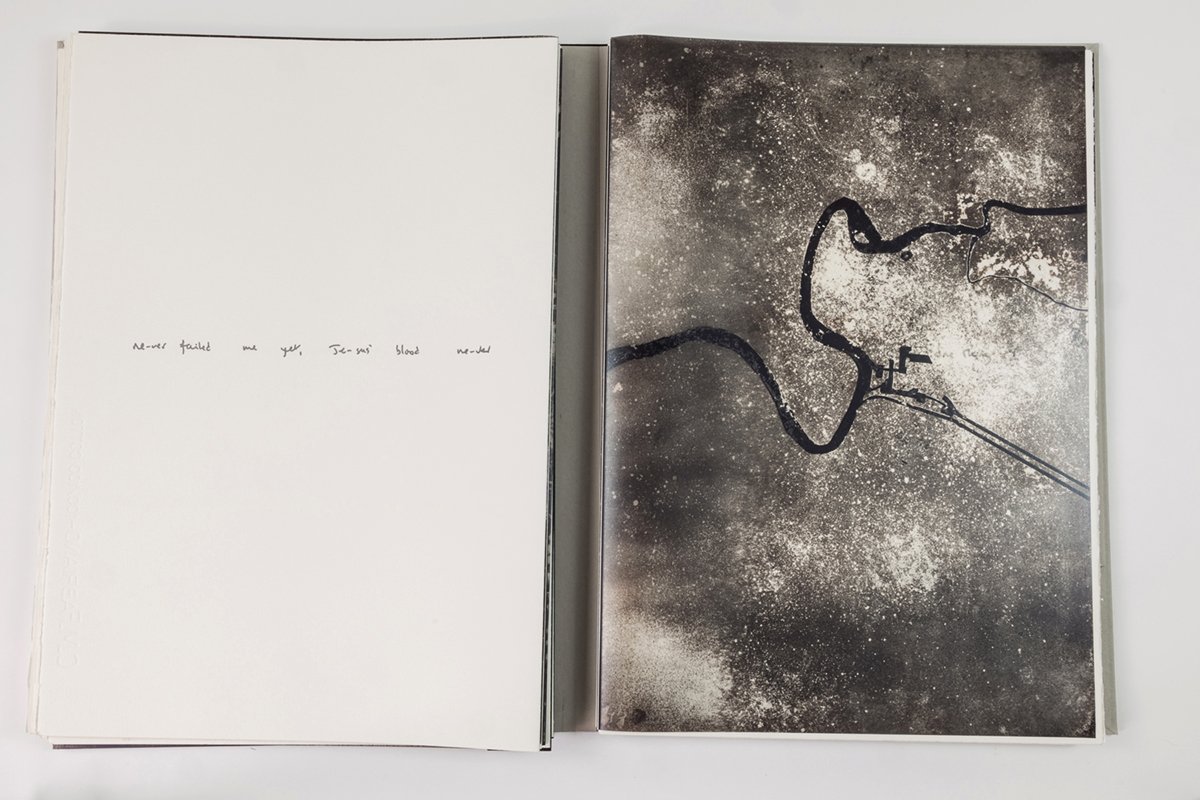
A textured sky view of Goole map, hometown of Gavin Bryars

Silhouette of this unknown homeless

Urban graffiti evocating the fervor and repetitive aspect of a prayer

The symbol of the Elephant and Castle neighborhood in London marking the entrance to the Waterloo subway station. The singing homeless lived in this neighborhood.
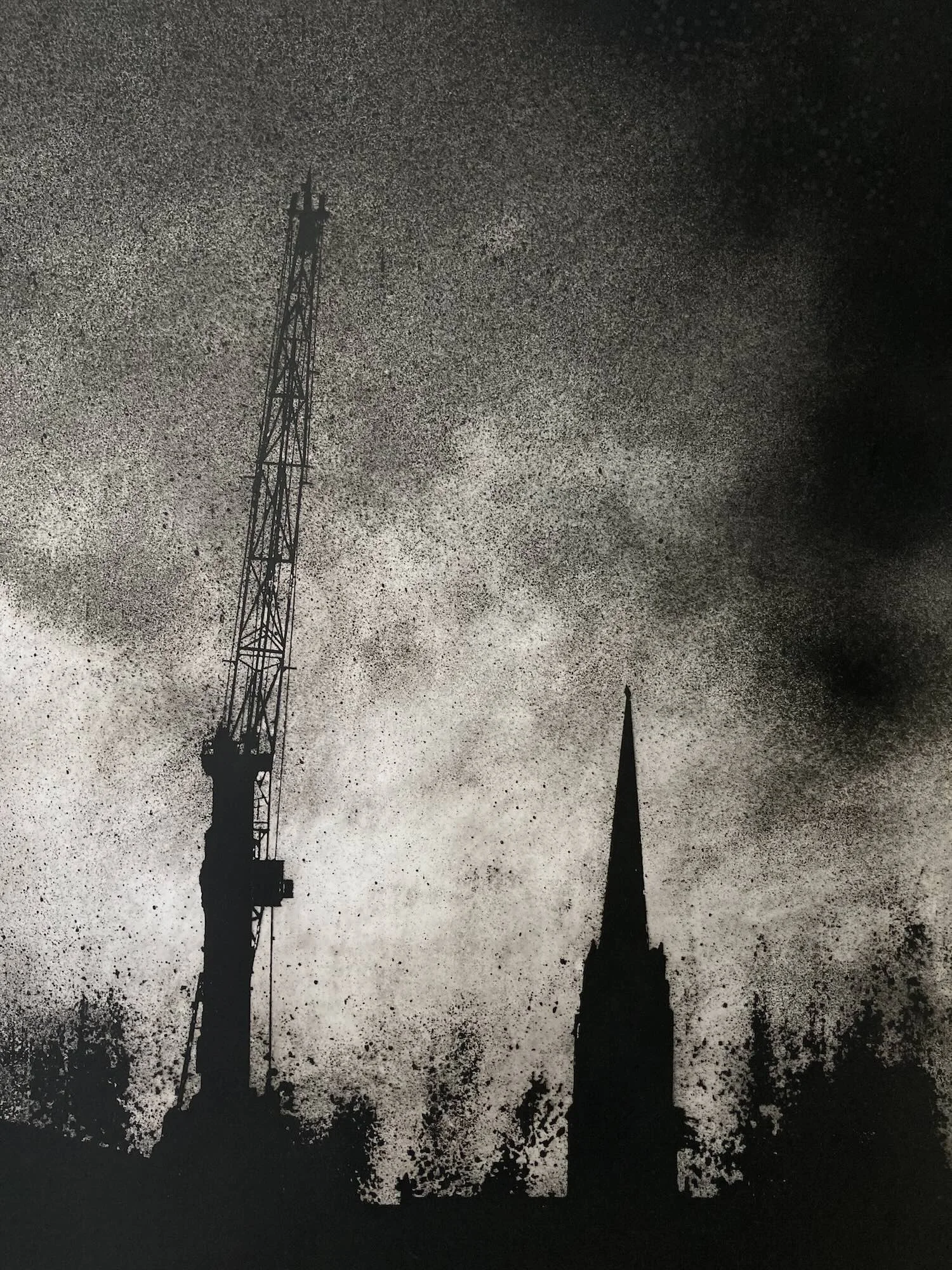
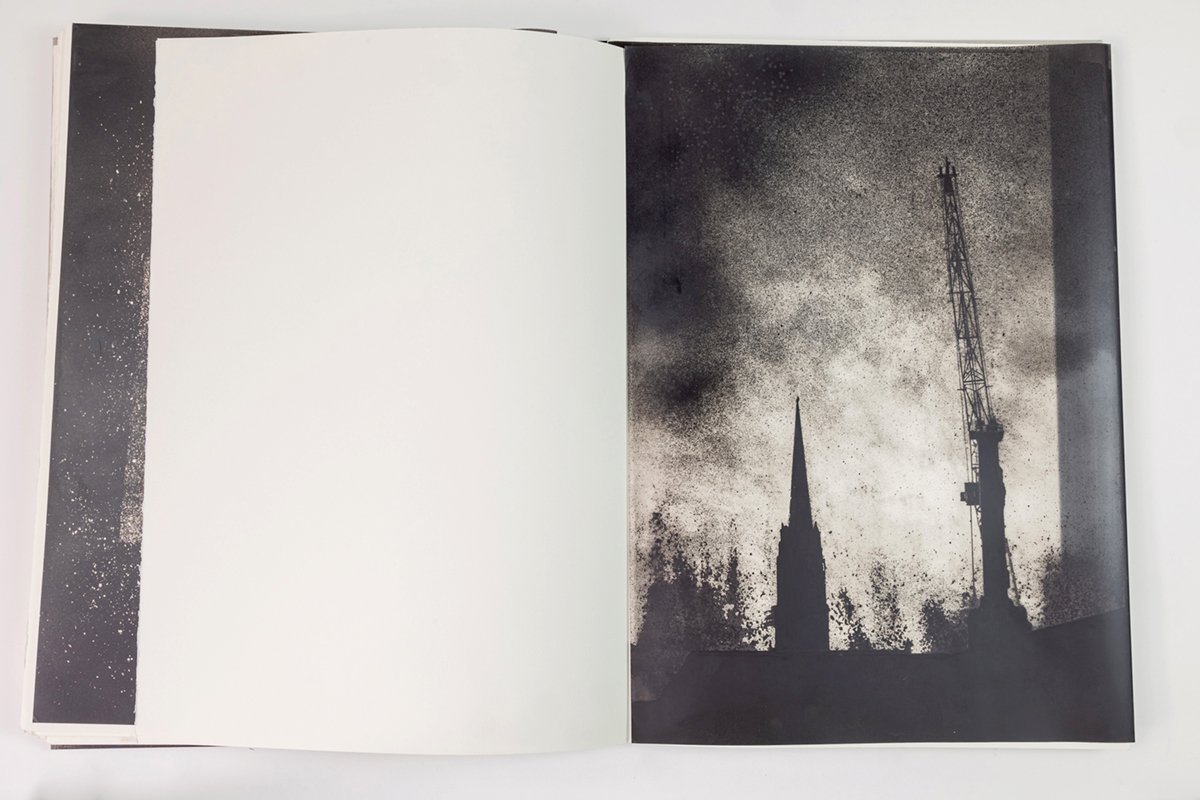
A view of Goole featuring the Goole Docks and the spire of St. John's Church parish.
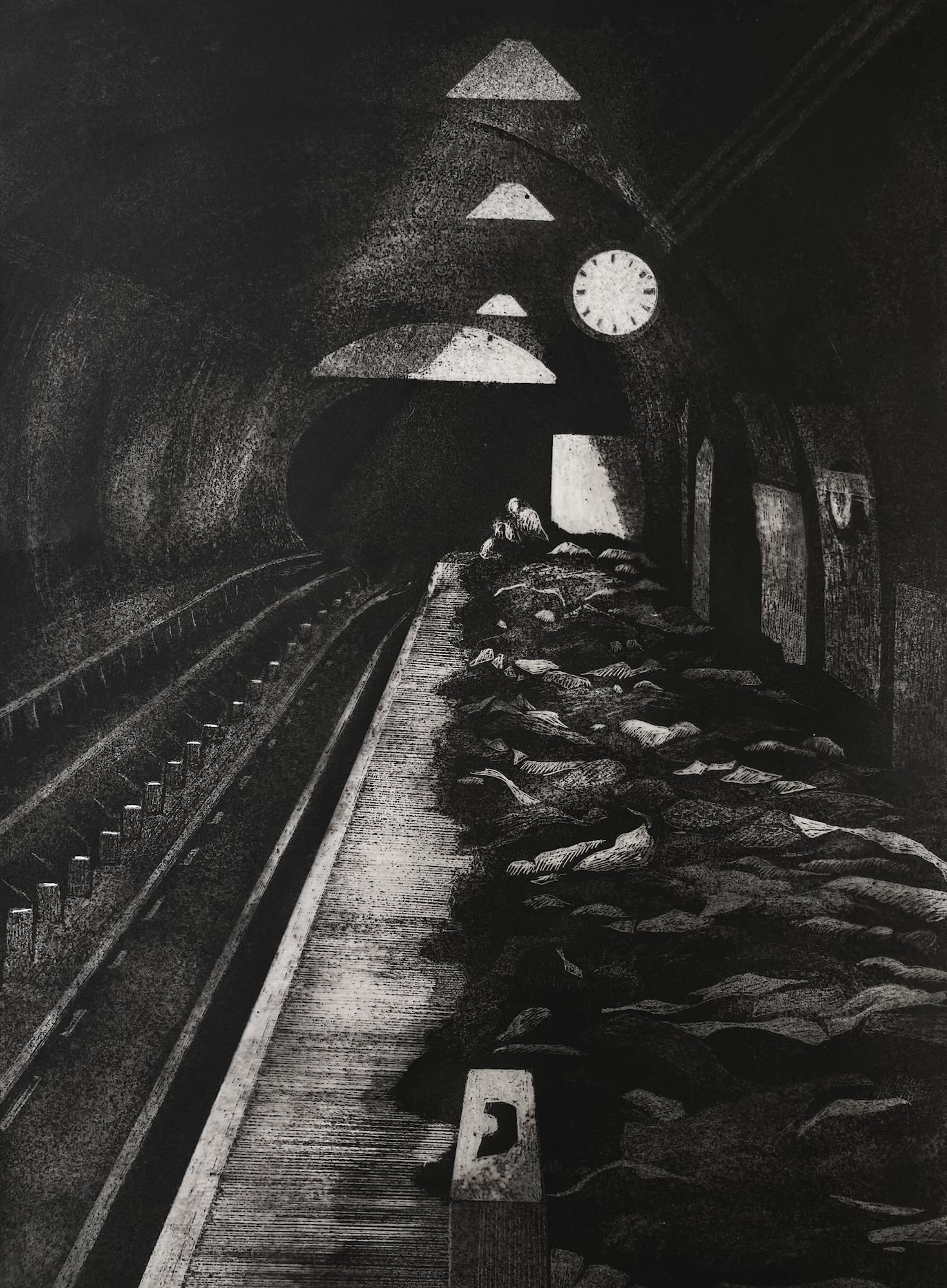
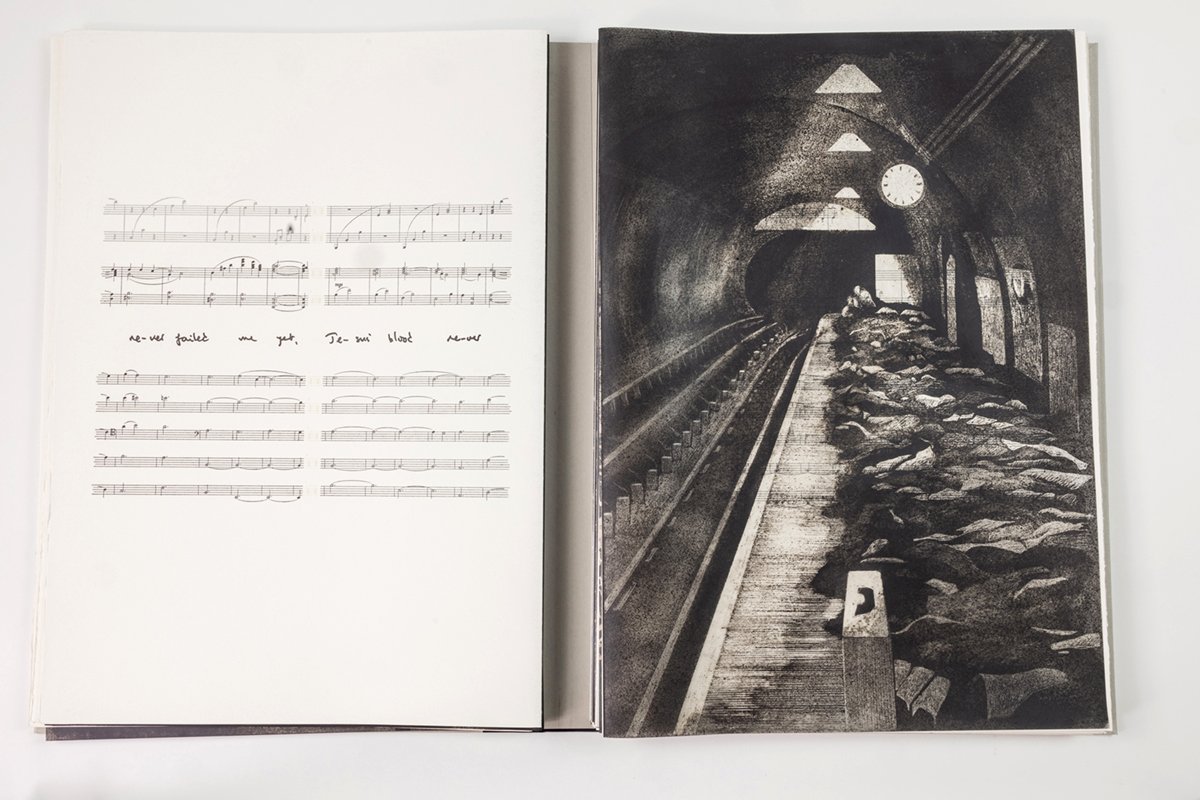
A view of the Waterloo station subway inspired by a historical photo serving as a refuge during wartime bombings. The homeless probably experienced the trauma of the war. The endurance of this ordeal can symbolically be included in the song and his faith.




Gavin Bryars Notes
“In 1971, when I lived in London, I was working with a friend, Alan Power, on a film about people living rough in the area around Elephant and Castle and Waterloo Station. In the course of being filmed, some people broke into drunken song – sometimes bits of opera, sometimes sentimental ballads – and one, who in fact did not drink, sang a religious song “Jesus’ Blood Never Failed Me Yet”. This was not ultimately used in the film and I was given all the unused sections of tape, including this one.
When I played it at home, I found that his singing was in tune with my piano, and I improvised a simple accompaniment. I noticed, too, that the first section of the song – 13 bars in length – formed an effective loop which repeated in a slightly unpredictable way. I took the tape loop to Leicester, where I was working in the Fine Art Department, and copied the loop onto a continuous reel of tape, thinking about perhaps adding an orchestrated accompaniment to this. The door of the recording room opened on to one of the large painting studios and I left the tape copying, with the door open, while I went to have a cup of coffee. When I came back I found the normally lively room unnaturally subdued. People were moving about much more slowly than usual and a few were sitting alone, quietly weeping.
I was puzzled until I realised that the tape was still playing and that they had been overcome by the old man’s singing. This convinced me of the emotional power of the music and of the possibilities offered by adding a simple, though gradually evolving, orchestral accompaniment that respected the tramp’s nobility and simple faith. Although he died before he could hear what I had done with his singing, the piece remains as an eloquent, but understated testimony to his spirit and optimism”
Gavin Bryars